
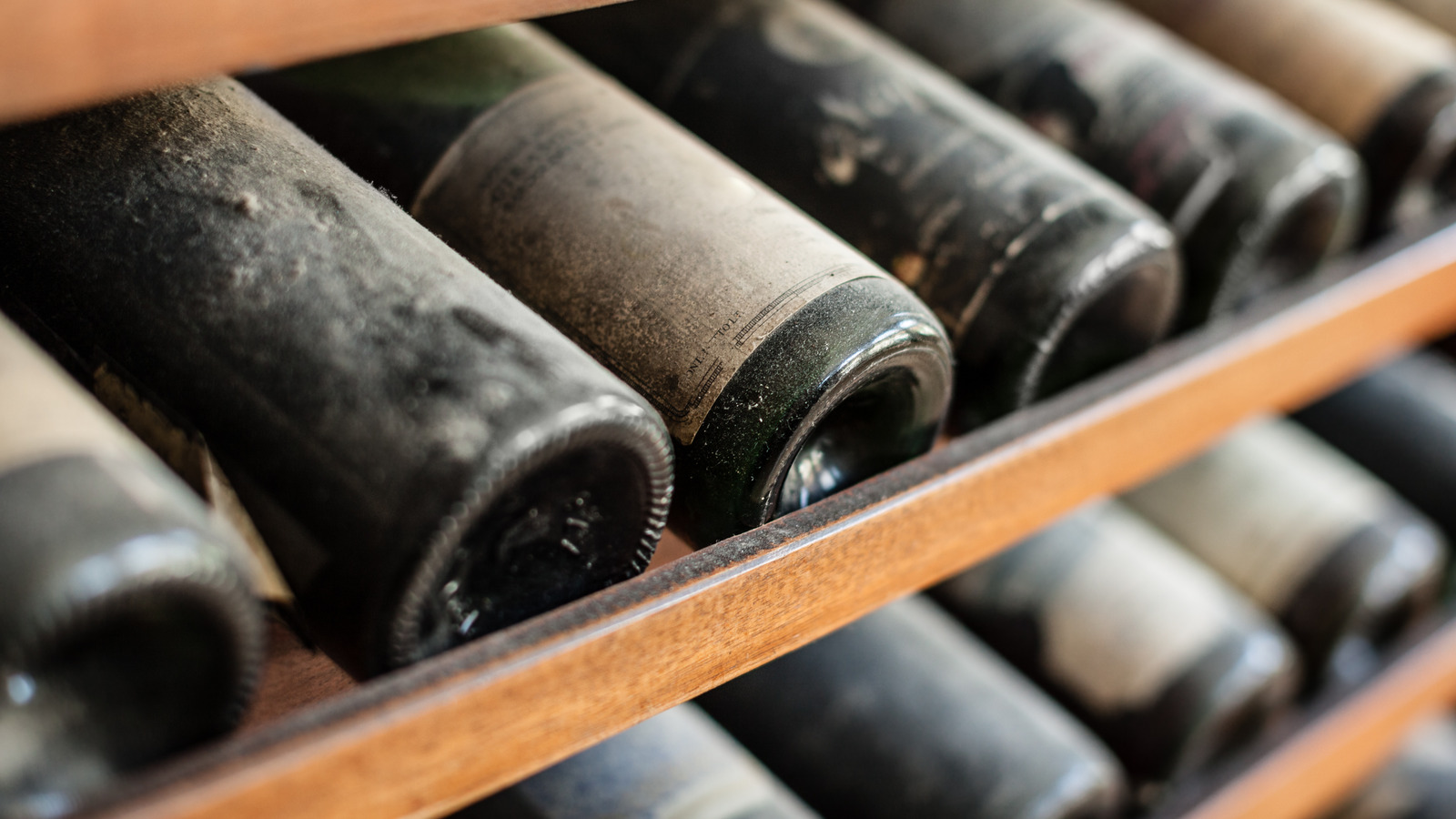
When tasting a wine and attempting to determine its suitability for long-term storage, we assess wine bottle storage by the weight of each of its “bodyguards” (acidity, tannins, and alcohol), as well as the vintage, allowing us to roughly predict the number of years the wine will need to mature when stored in suitable conditions.
The long-keeping trade secrets wine storage
Not all wines can be kept for an extended period of time in a wine storage Toronto. It might surprise you that most of the market wines are intended to be drunk within 2 to 5 years of bottling.
Unlike wines meant to be enjoyed immediately, long-keeping wines (with a shelf life of many decades) are vinified very differently.
Acidity, tannins, and alcohol are the “bodyguards” of wine.
The wine may endure over time and be shielded from oxygen’s effects thanks to the acidity, tannins, and alcohol, which are all-natural substances.
Because
Oxydation = Deterioration
When a wine is described as “too young to drink,” its acidity, tannins, and alcohol levels are too high to produce a flavorful taste.
Who likes a flavour that is acidic, dry, and burning?
Jargon in taste?
In tasting vocabulary, geometric forms are frequently employed to represent these experiences.
Therefore, a wine that is too young could appear “square,” with all those components “scraping” the tongue without any harmony.
With time, the square’s rough edges grow smooth, and its shape seems “rounded,” giving the elements’ combined appearance.
To be more poetic
The lovely thing is that winemakers often find themselves producing a piece of art that they anticipate will blossom in 10, 15, or even 20 years. They combine colours and textures and are sometimes taken aback by their vineyard’s more or less sophisticated expressions.